
厨具市场前景展望英文,全球增长动力在哪?
 摘要:
Of course. Here is a comprehensive English outlook on the future prospects of the cookware...
摘要:
Of course. Here is a comprehensive English outlook on the future prospects of the cookware... Of course. Here is a comprehensive English outlook on the future prospects of the cookware market, structured for business presentations, reports, or investor briefings. It includes key trends, market segmentation, and strategic implications.
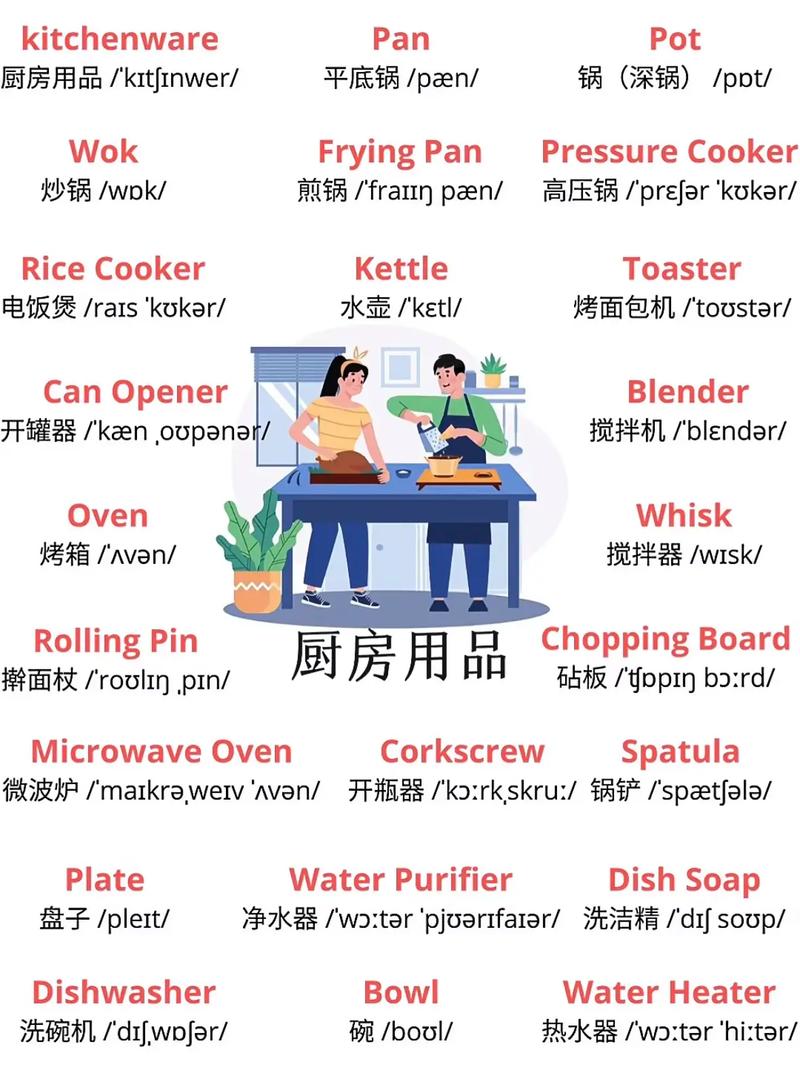
Cookware Market Outlook: Future Trends and Growth Prospects
The global cookware market is a dynamic and resilient sector, valued at over $20 billion and projected to experience steady growth in the coming years. While the fundamentals of cooking remain constant, the products, materials, and consumer priorities are undergoing a significant transformation. The future of the market is not just about selling pots and pans; it's about selling health, convenience, technology, and sustainability.
This outlook is structured around the key macro-trends shaping the industry's future.
Key Growth Drivers & Future Trends
Several powerful forces are converging to redefine the cookware landscape. Understanding these trends is crucial for manufacturers, retailers, and investors.
a) Health and Wellness Consciousness
Consumers are increasingly aware of how cookware materials can affect their health. This is a primary driver for material innovation.
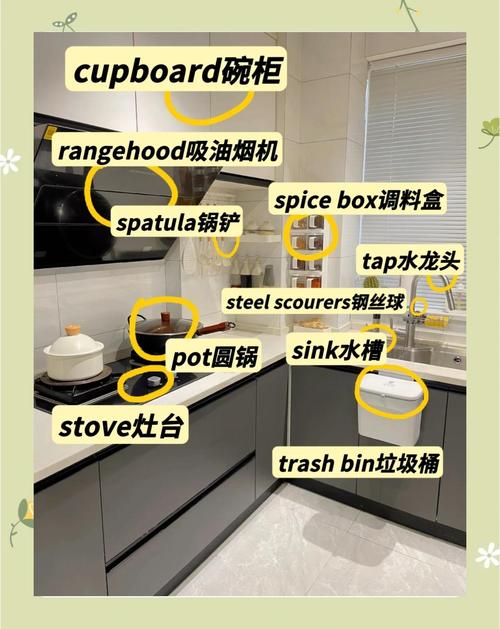
- Non-Toxic Focus: There is a strong and growing demand for PFOA and PFAS-free coatings. Consumers are actively seeking safer alternatives to traditional non-stick surfaces.
- Material Purity: Materials like 100% pure ceramic, cast iron, and stainless steel are favored for their perceived inertness and health benefits. Marketing campaigns now often highlight "no chemical leaching" as a key selling point.
b) The Premiumization and "Aspirational Home" Trend
Cookware has transcended its utilitarian role to become a symbol of lifestyle and status.
- Aesthetics as a Key Driver: Consumers, especially Millennials and Gen Z, are buying cookware that looks good on display. Colorful enamelware, matte black finishes, and minimalist designs are highly sought after. The "Instagrammable" quality of a product is now a significant marketing asset.
- Investment Pieces: High-end brands that position their products as long-lasting "investments" rather than disposable goods are thriving. This justifies higher price points and fosters brand loyalty.
c) Sustainability and Eco-Consciousness
Environmental responsibility is no longer a niche concern but a mainstream purchasing criterion.
- Durability over Disposability: The "buy it for life" (BIFL) mentality is gaining traction. Brands that emphasize longevity, robust warranties, and repairability are resonating with eco-conscious consumers.
- Recyclable and Recycled Materials: There is a push towards using recycled aluminum and stainless steel. Companies are also exploring more sustainable packaging options to reduce plastic waste.
- Second-Hand and Refurbished Markets: The pre-owned market for high-quality cookware is growing, offering a sustainable alternative for budget-conscious buyers.
d) Technological Advancements and Smart Features
Technology is making its way into the kitchen, enhancing the cooking experience.
- Smart Cookware: While still in its infancy, products with integrated temperature sensors, Bluetooth connectivity, and app-guided cooking are emerging. These appeal to tech-savvy home chefs.
- Advanced Materials: Nanotechnology is being used to create more durable, non-stick, and easy-to-clean surfaces. Innovations in materials science are leading to lighter, more efficient, and better-performing products.
e) The Rise of At-Home Cooking and Culinary Exploration
The COVID-19 pandemic permanently shifted consumer habits, with more people cooking at home.
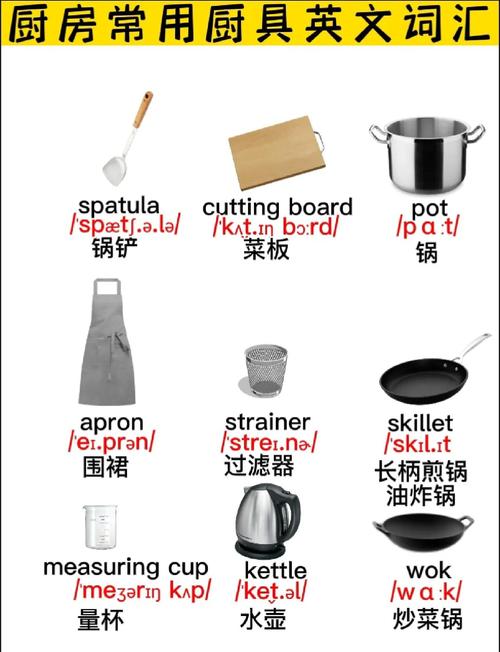
- From Survival to Passion: Home cooking has evolved from a necessity to a hobby. Consumers are more willing to experiment with new recipes and invest in specialized tools (e.g., pasta makers, crepe pans, woks).
- Global Cuisine Influence: The popularity of international cuisines (Korean, Japanese, Mexican) is driving demand for specific types of cookware, such as carbon steel woks, donabe pots, and paella pans.
Market Segmentation & Consumer Dynamics
The market can be segmented in several ways, each with distinct growth trajectories.
| Segment | Key Drivers | Growth Outlook |
|---|---|---|
| By Material | ||
| Non-Stick | Convenience, ease of cleaning, affordability. | Stable to Moderate Growth. Growth is tied to innovation in non-toxic ceramic and titanium-based coatings. |
| Stainless Steel | Durability, even heating, professional appeal. | Stable Growth. Remains a staple, especially in premium and multi-clad cookware sets. |
| Cast Iron | Heat retention, versatility, natural non-stick properties (seasoned), aesthetic appeal. | Strong Growth. Highly favored by enthusiasts and for outdoor cooking (camping). |
| Ceramic | Perceived health benefits, vibrant colors, non-toxic nature. | Strong Growth. A major beneficiary of the health and wellness trend. |
| Copper | Superior heat conductivity, premium aesthetic, professional status. | Niche but Premium Growth. Targets high-end consumers willing to pay for performance and style. |
| By Distribution Channel | ||
| E-commerce | Convenience, wider selection, customer reviews, direct-to-consumer (D2C) brand models. | Explosive Growth. The dominant channel for discovery and purchase, especially for premium and direct-to-consumer brands. |
| Specialty Retail | Expert advice, product demonstrations, curated collections. | Stable Growth. Crucial for premium brands that benefit from in-person storytelling and brand building. |
| Department Stores & Hypermarkets | Mass-market appeal, in-store promotions, brand recognition. | Mature/Declining. Facing pressure from e-commerce but remains important for reaching a broad audience. |
Challenges and Restraints
Despite the positive outlook, the market faces several challenges:
- Intense Competition: The market is crowded with established players, new direct-to-consumer brands, and private labels, leading to pricing pressure.
- Raw Material Volatility: Fluctuations in the prices of aluminum, copper, and steel can impact manufacturing costs and profit margins.
- Counterfeit Products: The rise of e-commerce has led to an increase in counterfeit and low-quality products, which can damage brand reputation and consumer trust.
- Shifting Consumer Preferences: Trends can change rapidly. A color or material that is popular today may be obsolete in a few years, requiring constant innovation.
Strategic Implications and Future Outlook
For businesses to succeed in the evolving cookware market, they must adapt to these key strategic shifts:
- Innovation is Non-Negotiable: R&D must focus on healthier materials, smarter technology, and superior durability. Brands that fail to innovate will be left behind.
- Brand Storytelling is Key: Companies must move beyond product features and sell a lifestyle. Marketing should focus on health, sustainability, culinary passion, and aesthetic design.
- Embrace E-commerce and D2C: A robust online presence is essential. D2C models allow for better margins, direct customer relationships, and agile responses to market trends.
- Sustainability as a Core Value: Integrating sustainability into the product lifecycle—from sourcing to packaging to end-of-life programs—is becoming a competitive advantage, not just a marketing slogan.
- Cater to Niche Markets: Success can be found by catering to specific consumer segments, such as health enthusiasts, professional home chefs, or followers of a particular cuisine.
Conclusion
The future of the cookware market is bright, but it will be reshaped by the values of the modern consumer. The winners will be those brands that successfully blend performance with purpose, offering products that are not only effective and beautiful but also safe, sustainable, and intelligent. The market is shifting from a focus on utility to one on experience, and the brands that master this narrative will be the ones to lead in the decade ahead.
作者:99ANYc3cd6本文地址:https://bj-citytv.com/post/4441.html发布于 01-18
文章转载或复制请以超链接形式并注明出处北京城市TV